Innovation on Wheels: The New Era of Trucks
1. Smarter Technology on the Road
Trucks today are becoming more advanced than ever. Features like collision mitigation, lane assist, adaptive cruise control, GPS tracking, and real-time diagnostics are helping drivers and fleet owners stay safer and more informed on the road.
Technology is no longer just an upgrade. It is becoming a key part of how modern trucking operates.
2. Better Fuel Efficiency
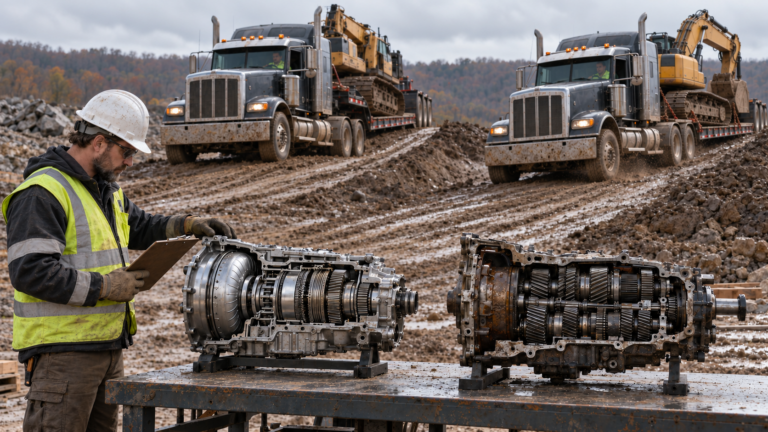
Fuel is one of the biggest costs in trucking, which is why newer trucks are built to perform more efficiently. Improved aerodynamics, stronger engine design, automated transmissions, and smarter fuel systems all help reduce unnecessary fuel use.
Over time, better efficiency can mean lower operating costs and stronger profits for fleets.
3. Electric and Alternative Power
The trucking industry is slowly moving toward electric, hybrid, and alternative-fuel options. Diesel still plays a major role, but many companies are already preparing for cleaner and more modern transportation solutions.
This shift is not happening overnight, but it is already shaping the future of the industry.
4. More Comfort for Drivers
Innovation is also improving life inside the cab. Newer trucks offer better visibility, more comfortable seats, improved sleeper space, advanced controls, and driver-focused safety features.
A comfortable driver is a safer and more productive driver.
5. Data That Helps Fleets Make Better Decisions
Modern trucks can provide important information through telematics and diagnostics. Fleet owners can track maintenance needs, fuel usage, driver behaviour, location, and overall performance.
This data helps companies prevent problems before they become expensive repairs.
6. Safer Roads and Smarter Operations
New truck technology is helping reduce risk on the road. Safety systems can alert drivers, support braking, improve awareness, and help prevent accidents.
For fleets, this means better protection for drivers, equipment, cargo, and the business itself.
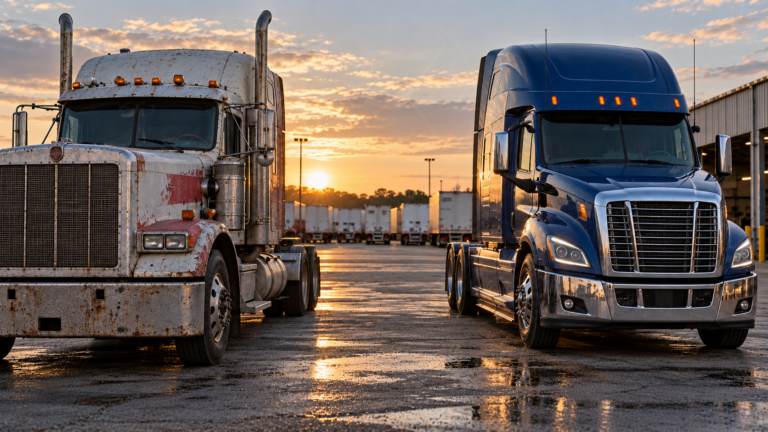
The new era of trucks is about more than horsepower and heavy loads. It is about smarter technology, better efficiency, cleaner options, safer driving, and stronger business decisions.
Innovation on wheels is already here, and the fleets that adapt will be better prepared for the future of transportation.