The Best Truck Configurations for Different Hauls
Every haul puts different demands on a truck. The right combination of cab style, engine, transmission, axles, and trailer can help improve efficiency, driver comfort, and productivity. Here’s what to look for when matching a truck to the job.
1. Long-Haul Freight: Comfort and Fuel Efficiency
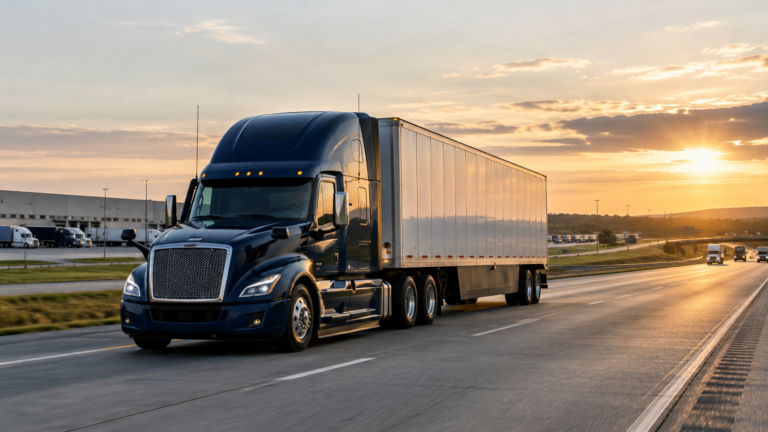
For drivers spending multiple nights on the road, a sleeper cab with an aerodynamic design is a practical choice. Pair it with a dry van for general freight, and prioritise comfortable sleeping space, adequate storage, and gearing suited to highway cruising.
2. Regional Hauls: Versatility and Manoeuvrability
Regional work calls for a balance between highway efficiency and easy handling at delivery locations. A day cab works well when drivers return home daily, while a smaller sleeper can accommodate overnight routes. Choose wheelbase and gearing around the roads and stops the truck handles most often.
3. Local Deliveries: Easy Access and Tight Turning
For city routes and frequent stops, a day cab or straight truck with a shorter wheelbase can make manoeuvring easier. Match the body or trailer to the freight, and consider a lift gate when customers don’t have loading docks.
4. Refrigerated Freight: Payload and Reliable Cooling
Refrigerated hauling requires a reefer trailer paired with a tractor suited to the route. A sleeper fits long-distance work, while a day cab can serve local distribution. Pay attention to equipment weight because the refrigeration system and insulated trailer affect available payload.
5. Flatbed Hauls: Flexibility for Open-Deck Loads
Lumber, steel, and building materials often call for a flatbed trailer. Choose a tractor with axle ratings, gearing, and power appropriate for the loaded combination and terrain. Storage for chains, straps, tarps, and other securement equipment also matters.
6. Heavy Equipment: Capacity and Pulling Power
Moving heavy machinery may require a lowboy or removable goose neck trailer. The tractor’s drive train, cooling system, axle capacities, and gearing must suit the actual load. Higher horsepower alone doesn’t make a truck ready for heavy haul—the entire combination needs to be properly specified.
7. Bulk and Tanker Hauls: Stability and Specialised Equipment
Liquid, grain, and dry bulk loads require trailers designed for the material being transported. Tractor selection should account for payload, weight distribution, and loading or unloading equipment. Depending on the application, a pump, blower, or hydraulic system may be needed.
8. Construction Hauls: Durability and Traction
Dump and aggregate work often involves rough surfaces, frequent starts, and demanding job sites. A durable chassis, suitable suspension, and gearing for loaded starts are key considerations. Choose the axle configuration around the load, terrain, and operating requirements.
Buy for the work your truck will do. Start with the freight, typical loaded weight, routes, and driver schedule—then choose the configuration that fits your operation.