Buying or Selling a Truck? Here’s What Smart Owners Do
Buying or selling a commercial truck is a major business decision. The right deal can improve cash flow, increase reliability, and support future growth. The wrong one can lead to unexpected repairs, downtime, paperwork problems, and financial loss.
Smart owners do more than compare prices. They evaluate the equipment, review the documentation, understand the market, and work with experienced professionals throughout the process.
1. They Know the Truck’s True Value
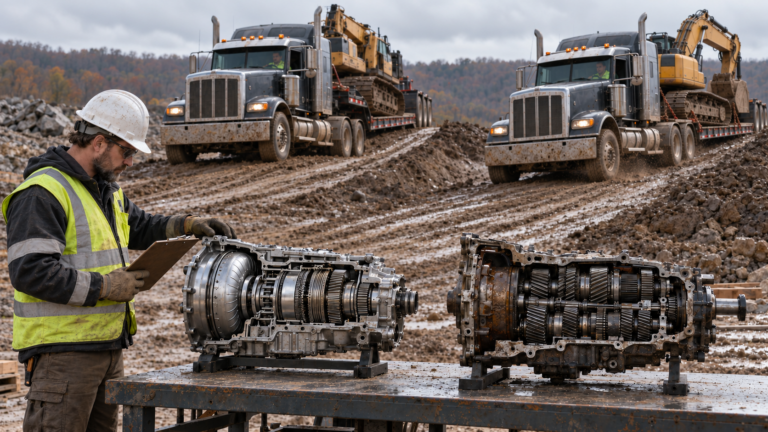
A truck’s value is determined by more than its year and mileage. Engine type, transmission, maintenance history, specifications, condition, tire life, emissions system, and current market demand all affect the final price.
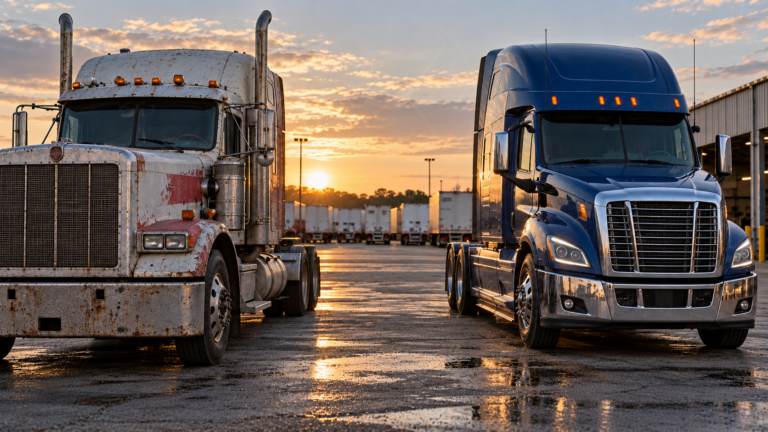
Smart buyers research comparable trucks before making an offer. Smart sellers review the market before setting an asking price. Accurate pricing helps both sides avoid wasting time and creates a stronger foundation for negotiation.
2. They Review the Maintenance History
A clean-looking truck does not always mean it has been properly maintained. Service records can reveal how consistently the truck was cared for and whether major components have already been repaired or replaced.
Buyers should ask for maintenance records, recent repair invoices, inspection reports, and information about major engine or transmission work. Sellers should organize these records in advance because detailed documentation can increase buyer confidence.
3. They Inspect Before They Invest
Professional inspections are one of the smartest investments a buyer can make. A complete inspection may identify engine problems, air leaks, suspension damage, worn brakes, tire issues, fault codes, emissions concerns, or signs of previous accidents.
Skipping an inspection to save money can result in thousands of dollars in unexpected repairs. The purchase price matters, but the truck’s total operating condition matters more.
4. They Verify the Title and Documentation
Before money changes hands, buyers should confirm that the title is valid, the VIN matches the truck, and there are no unresolved liens or ownership issues.
The transaction should also include a clear invoice or bill of sale, payment terms, equipment details, and any agreed conditions. Smart owners never rely only on verbal promises when purchasing high-value equipment.
5. They Calculate the Total Cost of Ownership
A lower-priced truck is not always the least expensive option. Buyers should consider insurance, taxes, registration, transportation, financing, fuel efficiency, immediate repairs, routine maintenance, and expected downtime.
A truck that costs slightly more but is ready to work may provide better value than a cheaper unit that requires significant repairs before it can generate revenue.
6. They Prepare the Truck for Sale
Smart sellers make the truck easier to evaluate. They clean the equipment, complete reasonable repairs, collect documentation, and provide accurate specifications.
Clear photos and an honest description can attract serious buyers faster. Sellers should include important details such as mileage, engine, horsepower, transmission, axle configuration, wheelbase, sleeper size, tire condition, suspension, and location.
7. They Are Transparent About the Condition
Trust is essential in equipment sales. Sellers should disclose known mechanical problems, cosmetic damage, warning lights, title issues, or missing components.
Being transparent does not necessarily reduce the truck’s value. It helps avoid disputes, builds credibility, and allows the buyer to make an informed decision.
8. They Negotiate More Than the Price
The final price is only one part of the agreement. Buyers and sellers may also negotiate payment deadlines, transportation, inspections, repairs, tire replacements, trade terms, title delivery, or equipment release requirements.
A well-structured deal can be valuable for both sides, even when the price is not the only deciding factor.
9. They Avoid Rushing the Transaction
Urgency can cause buyers to overlook warning signs and sellers to accept less than the equipment is worth. Smart owners move efficiently, but they still take time to verify the truck, the documentation, the payment method, and the people involved.
A legitimate opportunity should withstand reasonable questions and proper due diligence.
10. They Work With an Experienced Partner
Truck transactions involve equipment knowledge, market pricing, negotiations, paperwork, payments, transportation, and title processing. Working with an experienced dealership or equipment professional can simplify the process and reduce risk.
The right partner helps buyers find trucks that match their operation and helps sellers reach qualified buyers without unnecessary delays.
Smart owners understand that buying or selling a truck is not simply about finding the highest or lowest price. It is about protecting the business, reducing risk, and making a decision that supports long-term profitability.
By researching the market, inspecting the equipment, verifying the documents, and working with trusted professionals, truck owners can complete stronger, safer, and more successful transactions.