Replacing a commercial truck is a strategic financial decision driven by the total cost of ownership (TCO) curve, where maintenance expenses begin to outpace depreciation savings and financing costs for a newer asset.
1. The Maintenance vs. Depreciation Crossover
The optimal replacement window occurs at the “sweet spot” on the total cost curve—the exact point where declining monthly depreciation costs are surpassed by rapidly escalating repair and maintenance costs. Operating past this crossover point increases your overall cost per mile (CPM) regardless of whether the vehicle is fully paid off.
2. The 50% Major Component Rule
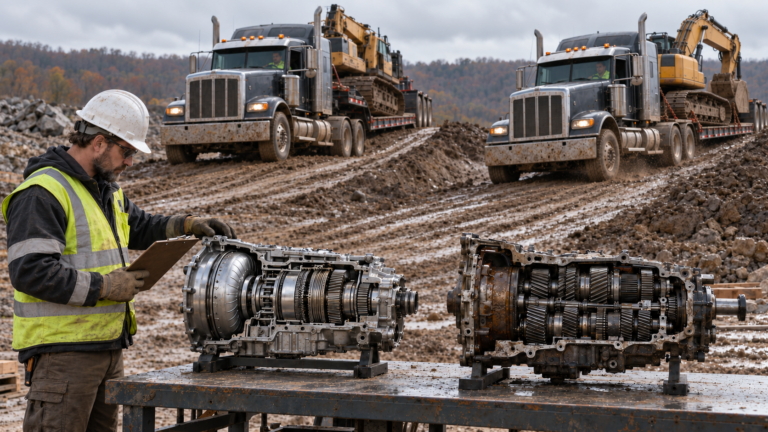
When a single anticipated repair—such as an engine overhaul, transmission rebuild, or major emissions system repair—exceeds 50% of the truck’s current fair market value, replacement is almost always financially superior. Sinking heavy capital into an aging asset rarely increases its resale value proportionally.
3. Critical Mileage and Engine Hour Milestones
Commercial trucks face predictable maintenance spikes at specific lifecycle thresholds:
Class 8 Heavy-Duty Trucks: Typically hit major component fatigue between 500,000 and 750,000 miles (or 12,000–15,000 engine hours).
Medium-Duty Trucks (Classes 4–6): Reach major lifecycle fatigue between 200,000 and 300,000 miles.
Key Trigger: Reaching these milestones alongside frequent emissions/DPF system failures or oil contamination indicates major overhaul failure is imminent.
4. Excessive Unscheduled Downtime
If a truck experiences more than 5% to 10% unscheduled downtime per month (roughly 1.5 to 3 lost days of operation), the indirect losses outweigh vehicle payments. Unscheduled breakdowns lead to missed delivery windows, broker penalties, lost customer contracts, and expensive emergency towing services.
5. Degrading Fuel Efficiency
Engine wear, injector degradation, and aging turbochargers gradually decrease fuel economy. In long-haul operations where fuel accounts for 30% or more of total operational expense, a drop of even 0.5 to 1.0 MPG across 120,000 annual miles adds $5,000–$10,000 in excess fuel costs per truck per year. Modern trucks also offer improved aerodynamics and automated manual transmissions (AMTs) that optimize fuel usage further.
6. Regulatory and Compliance Escalations
Older trucks face increasing operational restrictions due to changing environmental regulations and safety mandates:
Emissions: Strict state or regional clean air zones (such as CARB standards in California) can restrict older engines from ports and major freight corridors.
Safety & Inspection: Aging trucks trigger higher DOT inspection frequencies, leading to more out-of-service orders that negatively impact your fleet’s SMS/CSA safety scores.
7. Driver Retention and Ergonomics
In competitive freight markets, equipment quality directly impacts driver turnover. Older trucks with worn cab suspensions, outdated infotainment/telematics, high cab noise levels, and lacking modern safety systems (e.g., collision mitigation, lane departure warnings) make recruiting and retaining qualified drivers significantly more difficult and expensive.
8. Tax Advantages and Asset Depreciation Strategies
Replacing equipment before the end of the fiscal year allows fleets to utilize tax incentives such as Section 179 expense deductions or bonus depreciation. Accelerating depreciation on a new or late-model truck offsets taxable business income while replacing unpredictable maintenance bills with predictable, tax-deductible loan or lease payments.