Mileage vs. Condition: What Matters Most?
When shopping for a used commercial truck, mileage is important—but it should never be the only factor. Condition, maintenance history, engine hours, previous use, and upcoming repair needs can tell you much more about the truck’s true value.
1. Mileage Is Only the Starting Point
Mileage gives you a quick idea of how much a truck has traveled, but it doesn’t show how those miles were accumulated. Long highway miles can create very different wear compared with heavy city, local, or stop-and-go operation.
2. Overall Condition Can Tell You More
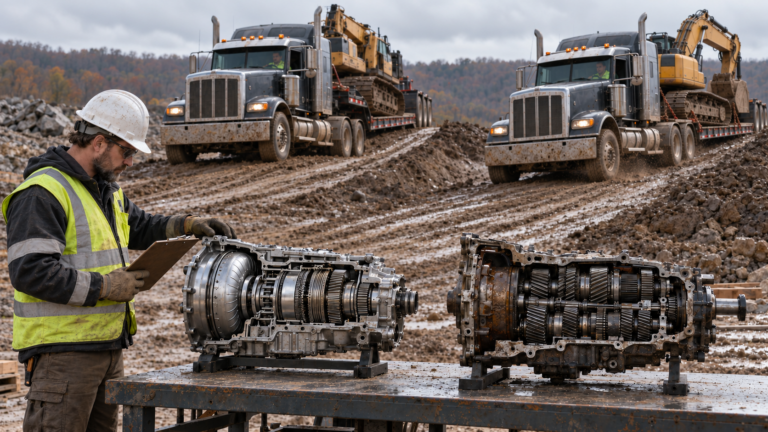
Inspect the truck as a complete package. Look at the engine, transmission, suspension, frame, fifth wheel, brakes, tires, electrical system, emissions system, cab, and interior. Physical condition can reveal how well the truck was cared for.
3. Maintenance History Is Critical
A higher-mileage truck with detailed maintenance records can be a stronger purchase than a lower-mileage truck with an unknown history. Look for evidence of regular oil changes, preventive maintenance, inspections, and major component repairs or replacements.
4. Engine Hours Matter Too
The odometer doesn’t measure idle time. A truck may have relatively low mileage but thousands of hours spent idling. Comparing mileage and engine hours gives you a better understanding of how heavily the engine has actually been used.
5. Highway Miles vs. Local Miles
Not every mile creates the same amount of wear. Highway trucks typically operate for longer periods at consistent speeds, while local trucks experience more starts, stops, shifting, braking, and idling. Understanding the truck’s previous application is important.
6. Check the Emissions System
On modern diesel trucks, emissions components can become a significant ownership expense. Check the condition and history of the DPF, DEF, SCR, EGR, sensors, and related components. A truck with fewer miles can still have expensive emissions problems.
7. Look at Recent Major Repairs
A higher-mileage truck may already have had expensive components replaced or rebuilt. Ask about the engine, transmission, turbo, injectors, aftertreatment system, differential, clutch, and cooling system. Recent documented repairs can add significant value.
8. Tires & Brakes Affect Immediate Cost
A truck may look inexpensive until you calculate what it needs to become road-ready. Tires and brakes can quickly add to your investment. Check tire tread, tire age, brake condition, drums or rotors, and wheel-end components.
9. Look for Signs of Hard Use
Inspect for frame damage, corrosion, leaks, uneven tire wear, damaged suspension components, poor interior condition, and previous accident repairs. These details can provide clues about how the truck was operated and maintained.
10. Consider Upcoming Maintenance
Don’t only ask, “What has been replaced?” Ask, “What will need to be replaced next?” Understanding upcoming maintenance can help you estimate the truck’s real cost over the next 6–12 months.
11. Downtime Has a Cost
A cheaper truck isn’t necessarily cheaper to own. Unexpected repairs mean lost loads, missed revenue, towing expenses, and shop bills. Paying more for a properly maintained truck can sometimes reduce your total operating cost.
12. Compare Total Value
The best truck isn’t automatically the one with the lowest mileage or lowest price. Compare purchase price, condition, maintenance history, specifications, expected repairs, and remaining useful life.
Don’t buy the odometer—buy the truck.
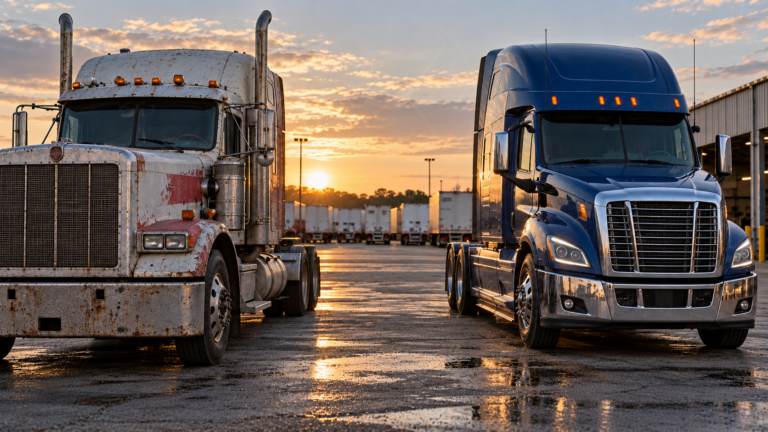
A 700,000-mile truck with excellent maintenance history and strong mechanical condition may be a better investment than a 450,000-mile truck that has been neglected.
Mileage tells you how far the truck has travelled. Condition tells you how well it may handle the miles ahead.