The Future of the Trucking Industry
1. Smarter Trucks and Connected Technology
The trucking industry is becoming more connected every year. Modern trucks now use advanced technology, GPS tracking, real-time diagnostics, and fleet management systems to provide companies with detailed information about vehicle performance.
These technologies help fleet owners monitor fuel usage, driver behaviour, engine condition, route efficiency, and maintenance needs. Instead of waiting for a breakdown, companies can identify problems early and schedule repairs before they become expensive.
Connected technology also improves communication between drivers, dispatchers, customers, and maintenance teams. This allows trucking companies to operate more efficiently and respond faster when conditions change.
2. Greater Fuel Efficiency
Fuel remains one of the largest operating expenses for trucking companies. Because of this, manufacturers continue to develop more efficient engines, improved aerodynamic designs, automated transmissions, and lighter truck components.
Fleet owners are also using route optimisation, idle reduction systems, auxiliary power units, and fuel-monitoring technology to control costs. Even small improvements in fuel economy can create significant savings across a large fleet.
The trucks of the future will need to deliver strong performance while using less fuel and producing fewer emissions.
3. The Growth of Alternative Power
Diesel will continue to play an important role in commercial transportation, especially for long-haul operations. However, electric trucks, hydrogen-powered vehicles, renewable diesel, and other alternative fuels are becoming more important.
Different technologies will serve different parts of the industry. Electric trucks may be suitable for local delivery routes, while hydrogen and alternative fuels may become more practical for longer distances.
Trucking companies will need to carefully consider range, charging infrastructure, operating costs, maintenance requirements, and resale value before investing in alternative-power equipment.
4. Improved Driver Comfort
Driver comfort is no longer considered an extra feature. It has become an important part of driver retention, safety, and overall productivity.
Modern sleeper trucks include larger sleeping areas, upgraded seats, improved climate-control systems, refrigerators, auxiliary power units, navigation systems, and advanced entertainment options.
A more comfortable truck can help reduce fatigue and improve the driver’s experience on the road. As competition for qualified drivers continues, companies that invest in better equipment may have an advantage in recruiting and retaining talent.
5. Advanced Safety Systems
Safety technology will continue to shape the future of trucking. Collision mitigation systems, lane-departure warnings, adaptive cruise control, automatic braking, blind-spot monitoring, and improved camera systems are becoming more common.
These systems are designed to support drivers and reduce the risk of accidents. They can also help companies lower repair costs, improve safety records, and protect their drivers and equipment.
As technology improves, future trucks will likely include even more advanced systems that provide real-time warnings and assistance.
6. Data-Driven Fleet Management
Successful trucking companies are using data to make better business decisions. Fleet management systems can track maintenance costs, fuel usage, downtime, driver performance, and vehicle profitability.
This information helps companies determine when a truck should be repaired, replaced, sold, or reassigned. It also allows managers to compare equipment and identify which units are delivering the best results.
The ability to understand and use data will become one of the most important advantages in the trucking industry.
7. Predictive Maintenance and Reduced Downtime
Downtime can be extremely expensive. When a truck is not moving, it is not generating revenue. Predictive maintenance technology helps companies identify potential mechanical problems before a breakdown occurs.
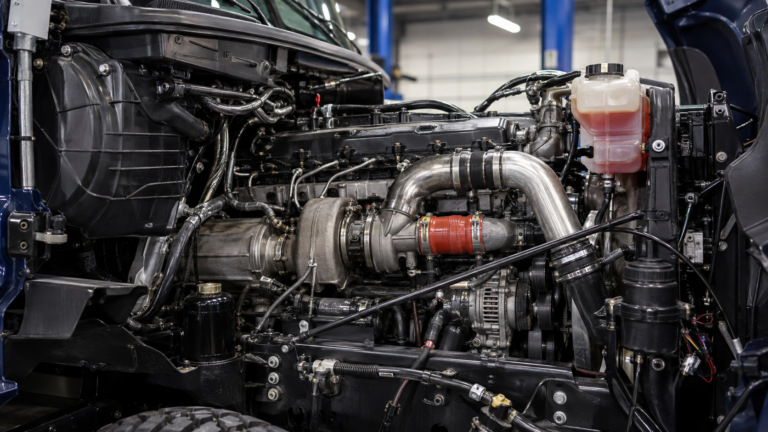
Sensors and diagnostic systems can monitor engine performance, fluid levels, battery condition, braking systems, and other important components.
By planning maintenance in advance, fleets can reduce emergency repairs, improve equipment reliability, and keep more trucks on the road.
8. Growing Demand for Reliable Equipment
Freight transportation remains essential to the economy, and demand for dependable trucks will continue. Buyers are increasingly looking for equipment that offers strong performance, good fuel efficiency, modern safety features, and lower operating costs.
Well-maintained used trucks will also remain valuable, especially for companies that want to grow without purchasing brand-new equipment.
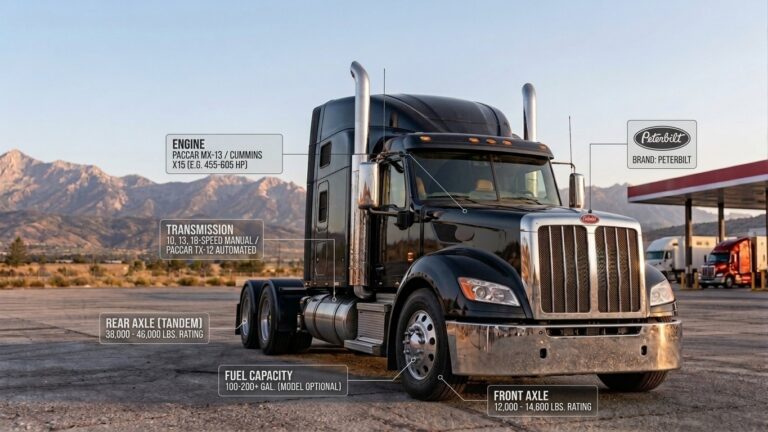
Condition, maintenance history, mileage, engine specifications, transmission type, and overall reliability will continue to influence purchasing decisions.
9. Stronger Focus on Sustainability
Environmental regulations and customer expectations are encouraging trucking companies to reduce emissions and operate more efficiently.
Sustainability does not only mean switching to electric trucks. It also includes reducing idle time, improving route planning, maintaining proper tire pressure, using aerodynamic equipment, and replacing inefficient units.
Companies that improve sustainability can lower costs while preparing for future regulations and market changes.
10. Automation and Driver Assistance
Automation will continue to develop across the trucking industry. Fully autonomous long-haul trucks may still require time, testing, infrastructure, and regulatory approval, but driver-assistance technology is already being used.
Automated braking, adaptive cruise control, lane-keeping assistance, and advanced navigation systems help support drivers during daily operations.
These technologies are likely to improve gradually, making trucks safer, more efficient, and easier to operate.
11. Changing Truck-Buying Decisions
Truck buyers are becoming more informed and more selective. They are considering the total cost of ownership instead of focusing only on the purchase price.
Fuel economy, repair history, warranty coverage, resale value, financing terms, engine type, transmission, and driver comfort all influence the final decision.
Dealerships and sellers that provide accurate specifications, transparent information, and professional support will continue to build stronger relationships with buyers.
12. The Road Ahead
The future of trucking will be shaped by technology, efficiency, safety, sustainability, and reliable equipment.
Companies that invest wisely, maintain their trucks properly, and adapt to industry changes will be better prepared for future challenges.
The trucking industry will continue to evolve, but one thing will remain the same: strong equipment and smart business decisions will always be essential for long-term success.