Diesel Power in a Changing Transportation World
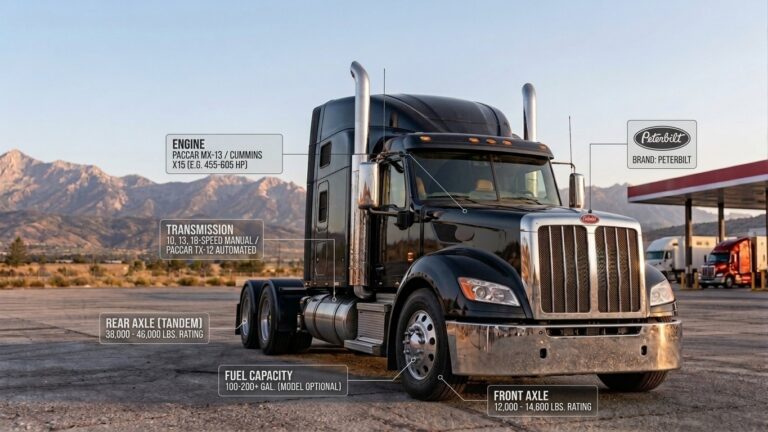
The transportation industry is changing rapidly, but diesel power continues to play a major role in commercial trucking. While alternative energy technologies are growing, modern diesel engines remain essential because of their strength, efficiency, reliability, and nationwide support network. Today’s diesel trucks are also cleaner and more technologically advanced than previous generations. For fleets and owner-operators, understanding how diesel is evolving is critical when making equipment decisions.
1. Diesel Still Powers the Transportation Industry
Diesel engines continue to move a large percentage of America’s freight. Their high torque, long operating range, and ability to handle heavy loads make them ideal for regional and long-haul operations. Until alternative technologies can provide the same combination of range, payload capacity, and quick refueling, diesel will remain a dependable choice.
2. Modern Engines Deliver Better Efficiency
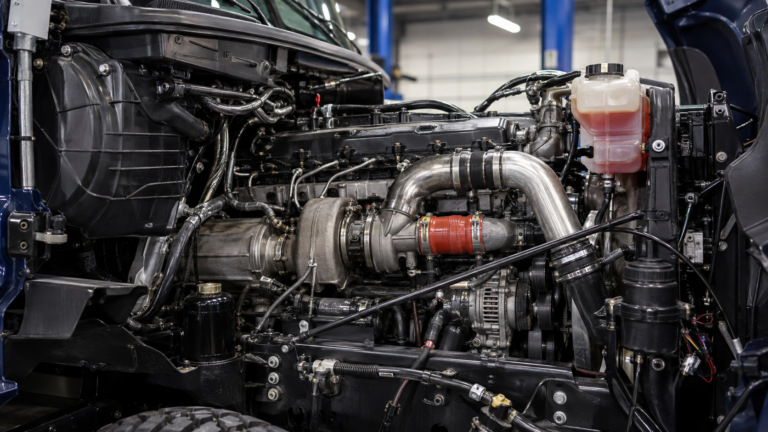
Today’s diesel engines are designed to produce more power while using less fuel. Improved fuel injection, turbocharging, aerodynamics, and automated transmissions help fleets achieve stronger fuel economy. Even a small improvement in miles per gallon can create significant savings across multiple trucks and thousands of annual miles.
3. Cleaner Technology Is Reducing Emissions
Modern diesel trucks use advanced emissions systems, including Diesel Particulate Filters, Diesel Exhaust Fluid, and Selective Catalytic Reduction technology. These systems help reduce harmful emissions while allowing trucks to maintain the performance required for demanding operations. Proper maintenance is essential to keep these components operating correctly.
4. Diesel Offers Proven Long-Haul Performance
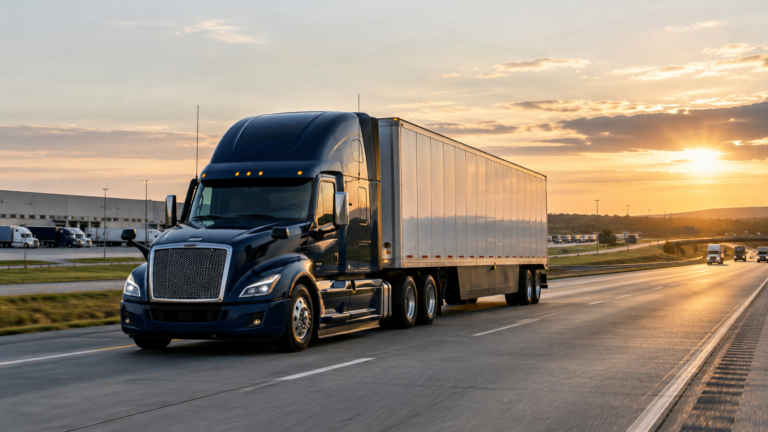
Long-distance fleets need equipment that can operate reliably for extended periods. Diesel trucks offer long driving ranges, fast refueling, and access to an established nationwide service network. This makes them especially valuable for operations where delays, limited charging infrastructure, or reduced payload capacity could affect profitability.
5. Technology Is Making Diesel Trucks Smarter
Diesel trucks now include advanced telematics, collision mitigation, adaptive cruise control, automated transmissions, and real-time engine monitoring. These technologies help improve safety, reduce fuel consumption, and identify maintenance problems before they cause major breakdowns. The modern diesel truck is no longer only powerful—it is also connected and intelligent.
6. The Future Will Include Multiple Power Sources
The future of transportation will likely include diesel, electric, hydrogen, renewable fuels, and other technologies. Different operations will require different solutions based on distance, payload, infrastructure, and operating costs. Diesel is expected to remain important, particularly in long-haul and heavy-duty applications where consistent power and range are essential.
The Road Forward
Diesel power is not standing still—it is becoming cleaner, smarter, and more efficient. Fleets that invest in properly specified and well-maintained diesel equipment can continue to benefit from dependable performance and strong operational value. As transportation technology evolves, the smartest strategy is selecting the power source that best fits the operation. For many commercial fleets, diesel will continue to keep freight moving for years to come.