Fuel efficiency has become a top priority in the modern trucking industry. Rising fuel costs, tighter margins, and increasing environmental expectations mean that operating an efficient truck is no longer optional—it is essential. Fleets that focus on fuel efficiency gain better control over expenses, improve long-term planning, and strengthen overall business performance.
1. Why Fuel Efficiency Is Critical
Fuel is one of the largest ongoing expenses for trucking companies, often accounting for a major portion of total operating costs.
Even small improvements in miles per gallon can result in significant savings when multiplied across long distances and entire fleets.
Efficient fuel usage helps businesses remain competitive in a market with fluctuating freight rates.
2.Technology That Improves Fuel Performance
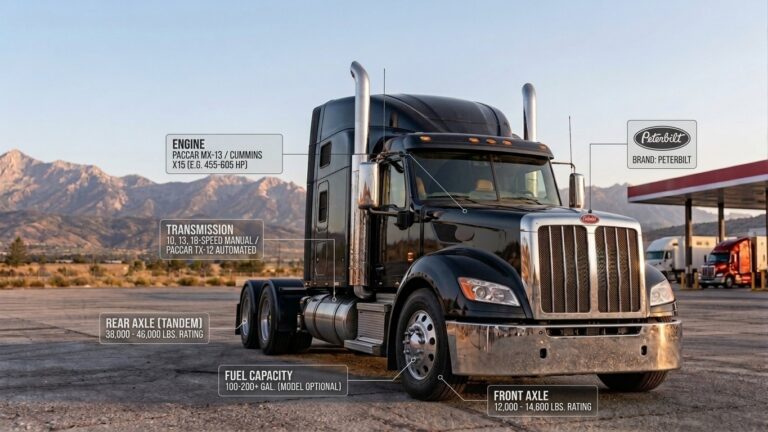
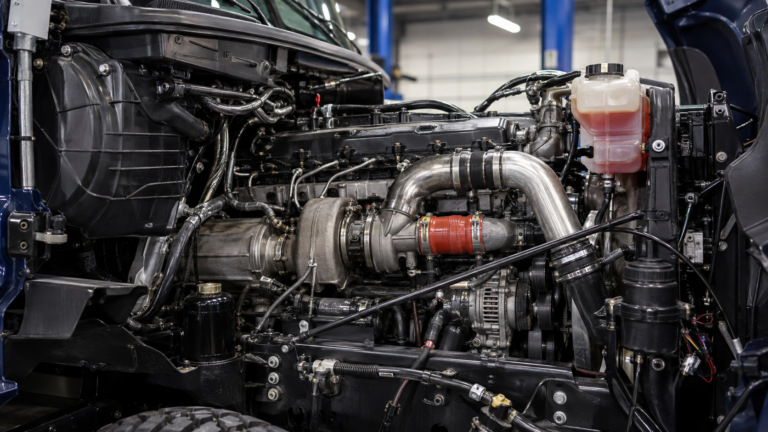
Modern engines are designed to deliver more power with less fuel, meeting strict emissions standards without sacrificing reliability.
Aerodynamic enhancements such as side skirts, roof fairings, and optimized trailer designs reduce drag and improve highway efficiency.
Advanced transmissions and cruise control systems help maintain consistent fuel-saving speeds over long hauls.
3.The Role of Maintenance
Regular engine servicing ensures trucks operate at peak performance and avoid unnecessary fuel waste.
Proper tire pressure and alignment reduce rolling resistance and improve fuel economy.
Clean air filters and well-maintained fuel systems allow engines to run more efficiently and reliably.
4.Driver Behavior Makes a Difference
Smooth acceleration and braking help reduce fuel consumption and wear on components.
Limiting excessive idling saves fuel and extends engine life.
Smart route planning and traffic avoidance reduce wasted miles and time on the road.
5.Long-Term Business Benefits
Fuel-efficient trucks lower overall operating costs and improve profit margins.
Equipment with proven efficiency often holds higher resale value in the used truck market.
Reduced fuel consumption supports sustainability goals and prepares fleets for future regulatory changes.
By prioritizing fuel efficiency, trucking companies position themselves for greater stability, stronger financial performance, and long-term success in an increasingly demanding industry.