What Horsepower Does Your Truck Really Need?
Two trucks can pull the same 80,000-pound load and need different horsepower. One spends the week on flat Midwest interstates. The other climbs mountain grades every day. Here’s how to choose a rating that fits your operation.
1.Start With Your Loaded Weight
Check your scale tickets. Use the combined weight of the tractor, trailer, and freight. A dry van that usually weighs in at 55,000 pounds takes less power to pull uphill at the same speed than one running at 80,000.
2.Look at Your Toughest Regular Climb
Think about the longest grade on your weekly route. If you’re comfortable climbing it in a lower gear, a lower horsepower rating may suit you. If you regularly need to hold a higher speed on that same climb, extra horsepower earns its keep.
3.| Know What 400–500 HP Looks Like
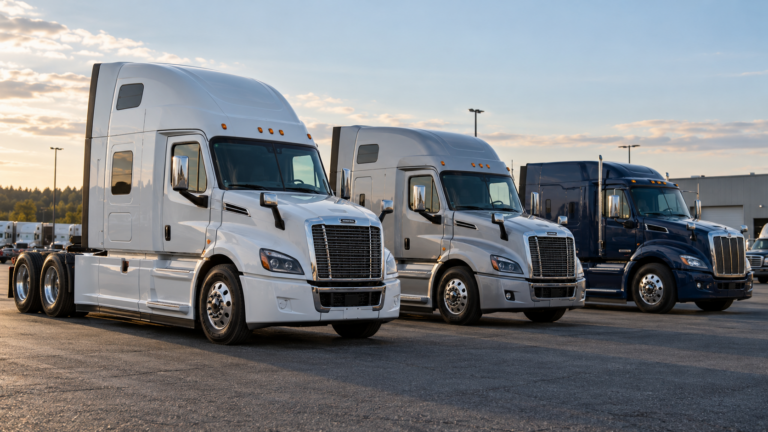
For highway freight, the 2024 Cummins X15 Efficiency Series offers a useful reference at 400–500 HP. If most of your miles are on relatively flat interstates, this is a practical range to compare when shopping for a truck.
4.Know When 500+ HP Helps
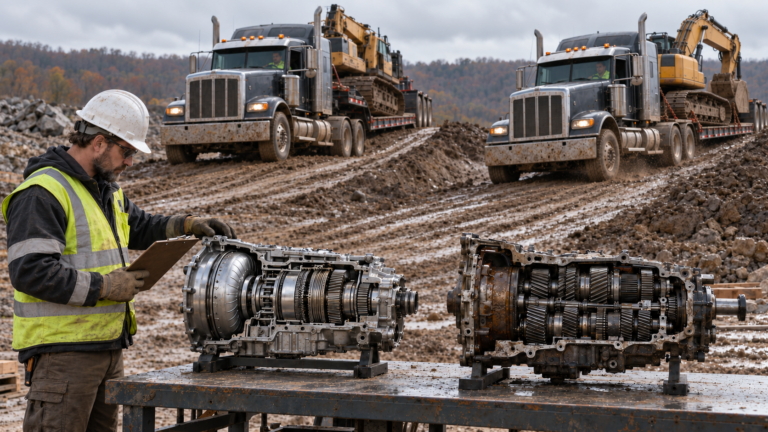
Frequent heavy loads and long climbs make a stronger case for a higher rating. For example, the 2024 Cummins X15 Performance Series offers 525–565 HP. The benefit shows up when a loaded truck needs to sustain speed uphill for miles.
5.Compare the Gearing Before You Buy
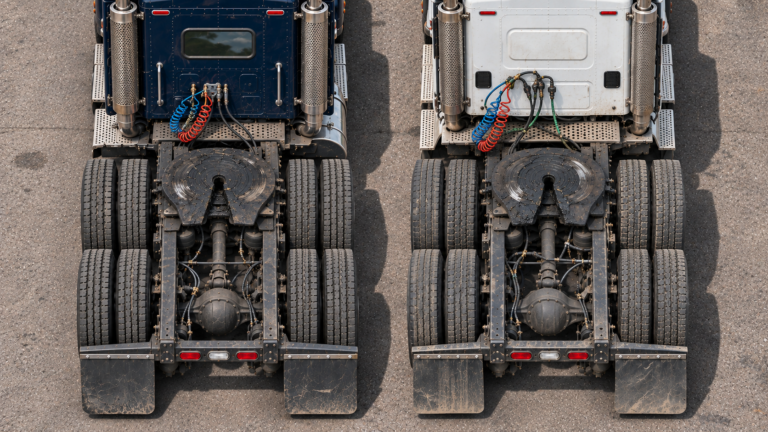
Two trucks advertised at 450 HP can feel different with the same trailer. Transmission gearing and the rear axle ratio affect how easily the truck starts under load and what RPM it turns at highway speed. Ask the dealer how each truck will handle your usual weight, your steepest regular grade, and your cruising speed.