The Future of Trucks: Technology, Power & Performance
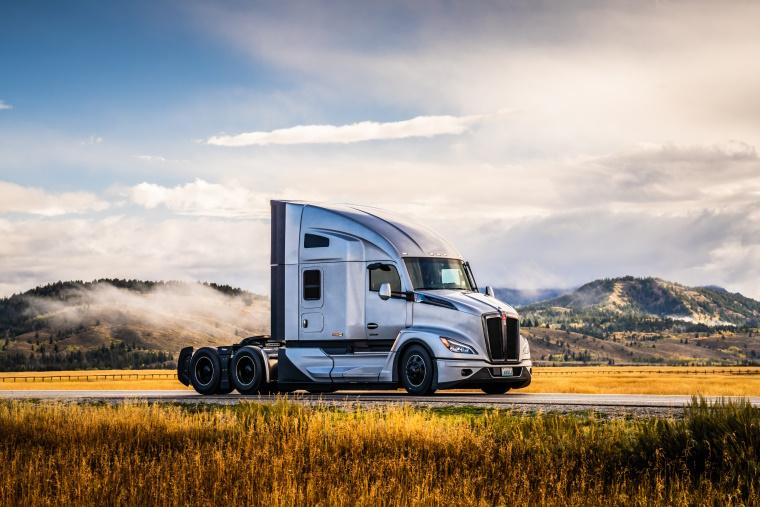
The trucking industry is entering a new era defined by rapid innovation and evolving demands. From smarter technology to more powerful and efficient performance, trucks are no longer just tools for transportation—they are becoming advanced, data-driven machines. As the industry adapts to new challenges like fuel efficiency, safety, and sustainability, the future of trucking is being shaped by those who are ready to embrace change and stay ahead of the curve.
1. Smarter Trucks with Advanced Technology
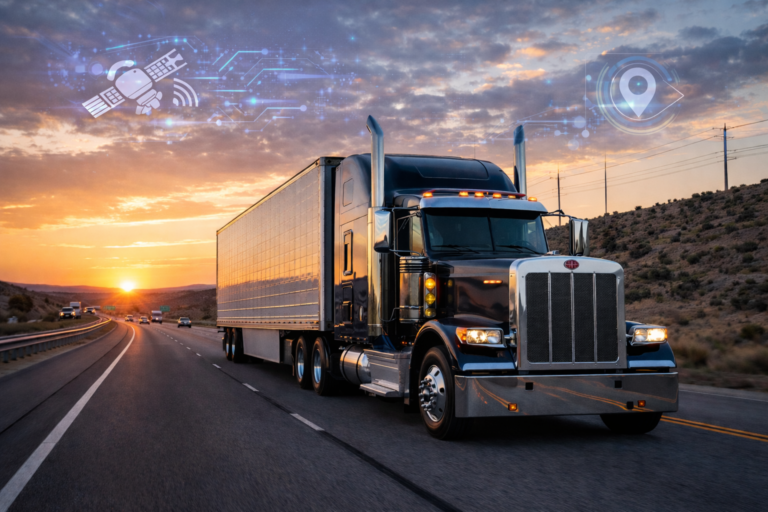
Modern trucks are no longer just machines—they are smart systems on wheels. With advanced telematics, real-time diagnostics, and AI-assisted driving features, fleets can monitor performance, fuel usage, and driver behavior instantly. These technologies reduce downtime, improve safety, and help owners make faster, data-driven decisions. The future is all about staying connected and in control.
2. Fuel Efficiency & Alternative Power Sources
Rising fuel costs and environmental regulations are pushing innovation forward. Today’s trucks are becoming more fuel-efficient through improved engine design and aerodynamics. At the same time, electric and hydrogen-powered trucks are entering the market, offering cleaner and more sustainable options. While diesel still dominates, the shift toward alternative energy is already underway.
3. Increased Power with Better Performance
Power and performance remain at the core of trucking. New engines are designed to deliver higher torque with improved efficiency, allowing trucks to handle heavier loads while consuming less fuel. Advanced transmissions and optimized drivetrains ensure smoother operation, better control, and reduced wear and tear—keeping trucks on the road longer.
4. Safety Innovations Leading the Way
Safety is becoming a major priority across the industry. Features like collision mitigation systems, lane departure warnings, adaptive cruise control, and automatic braking are now more common than ever. These innovations not only protect drivers but also reduce liability and operational risks for fleet owners.
5. Driver Comfort & Experience
The trucking industry is evolving to support drivers better. Modern cabs offer improved ergonomics, better insulation, smart dashboards, and even features like workstations and enhanced sleeping areas. A comfortable driver is a more productive and safer driver, making these upgrades essential for long-haul success.
6. Data-Driven Fleet Management
Data is becoming one of the most valuable assets in trucking. Fleet managers now rely on analytics to optimize routes, reduce fuel consumption, schedule maintenance, and track profitability. This level of insight helps businesses scale smarter and stay competitive in a fast-changing market.
Conclusion
The future of trucking is not just about moving freight—it’s about moving smarter, faster, and more efficiently. With rapid advancements in technology, power systems, and performance optimization, the industry is entering a new era. Companies that embrace these changes will not only survive but lead the road ahead.