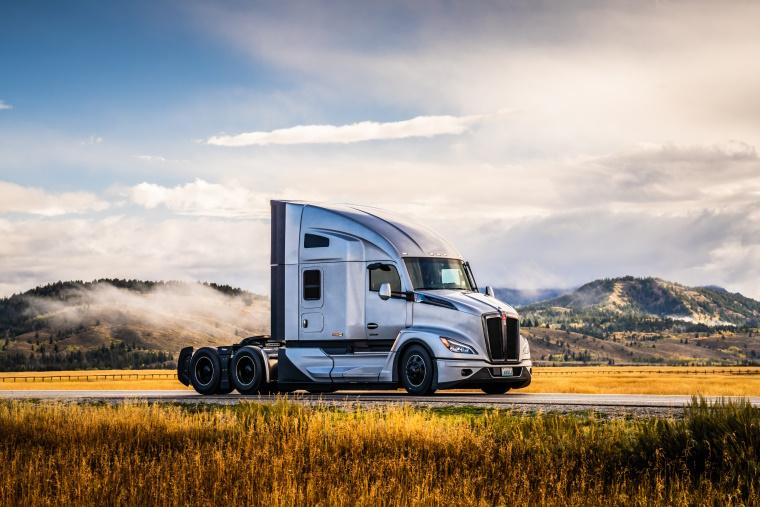
The trucking industry continues to play a vital role in the global and American economy. Nearly everything people use daily—from food and fuel to construction materials and retail goods—spends time on a truck before reaching its destination. While technology and logistics systems evolve rapidly, trucking remains the most flexible and reliable way to move freight across long distances. In recent years, the industry has experienced significant transformation through digital tools, improved equipment, and shifting market demands. Despite economic fluctuations, trucking companies continue adapting and finding new ways to improve efficiency and profitability. Understanding these trends helps both buyers and sellers of equipment make smarter decisions in today’s transportation market.
1. Trucks Move the Majority of Freight: Trucking remains the dominant mode of freight transportation in North America. A large percentage of goods are delivered by truck at some point in their supply chain journey. Unlike rail or air freight, trucks provide door-to-door delivery and unmatched flexibility. This makes them essential for industries such as retail, agriculture, manufacturing, and construction. As consumer demand grows and e-commerce continues expanding, trucking becomes even more critical. Without trucks, supply chains would slow dramatically and many businesses would struggle to operate efficiently.
2. Technology is Transforming Fleet Operations: Modern trucking is becoming increasingly technology-driven. Fleet management software, GPS tracking, and telematics systems allow companies to monitor trucks, drivers, and routes in real time. These tools help reduce fuel consumption, improve safety, and optimize delivery schedules. Data analytics is also allowing fleet owners to make smarter decisions regarding maintenance and equipment purchases. Even smaller trucking companies are now adopting digital tools to stay competitive. Technology is helping transform trucking from a traditional transport business into a highly optimized logistics industry.
3. The Used Truck Market is Stronger Than Ever: Demand for quality used trucks continues to rise across the industry. Many fleets prefer purchasing reliable used equipment rather than investing heavily in new units. This creates strong opportunities for dealers and resellers who can source well-maintained trucks. Off-lease trucks, in particular, have become popular due to their service history and maintenance records. Buyers are also more informed today, researching specifications, mileage, and engine types before making decisions. As supply chains stabilize, the used truck market remains a key segment of the industry.
4. Driver Experience is Becoming a Priority: Companies are increasingly focusing on improving driver comfort and retention. Modern sleeper trucks offer better interiors, improved ergonomics, and advanced safety systems. Fleets understand that keeping experienced drivers is essential for operational stability. Amenities such as advanced infotainment systems, better climate control, and improved seating help make life on the road more manageable. Training programs and safety technologies are also improving working conditions for drivers. A strong focus on driver satisfaction ultimately leads to more reliable and efficient operations.
5. Maintenance and Reliability Matter More Than Ever: With trucks covering hundreds of thousands of miles each year, proper maintenance is critical. Preventive maintenance programs help fleets avoid expensive breakdowns and unexpected downtime. Modern engines and emissions systems require specialized knowledge and regular servicing. Repair shops and service centers play an essential role in keeping fleets running smoothly. Companies that prioritize maintenance often see longer equipment life and better resale values. In a competitive industry, reliability can make the difference between profit and loss.
The trucking industry continues to evolve while remaining one of the most essential pillars of modern commerce. From moving freight efficiently to adopting new technologies, trucking companies are constantly adapting to meet growing demand. Strong equipment markets, improved driver experience, and advanced fleet management systems are shaping the future of transportation. For businesses involved in buying, selling, or operating trucks, understanding these trends is key to long-term success. As supply chains grow more complex, the role of trucking will only become more important. The road ahead may bring challenges, but it also offers tremendous opportunity for those ready to move the industry forward.